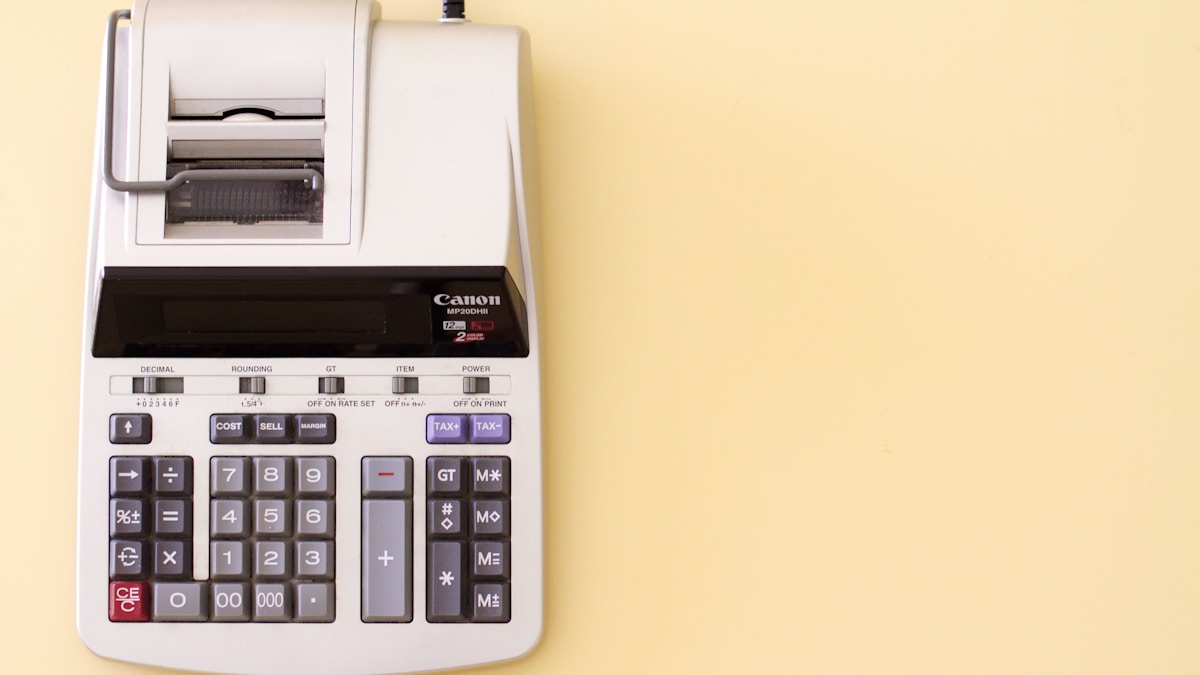
The Electronic Service Invoice (NFS-e) is here to stay in the automotive repair sector. Many shops once operated informally—issuing simple receipts or nothing at all—but tax digitization is now mandatory in nearly every Brazilian municipality. More than just a legal obligation, the NFS-e is a a professionalization tool that protects your workshop and builds customer credibility.
This complete guide explains what the NFS-e is, who must issue it, how to issue one step by step, which systems to use, how to integrate with management software, and most importantly, how to avoid fines that could damage your workshop’s revenue.
What Is an NFS-e and Who Must Issue One?
NFS-e (Electronic Service Invoice) is the digital tax document that records the provision of services. Unlike an NF-e (electronic invoice for products), an NFS-e is specifically used for services is exactly what your workshop sells: repair and maintenance labor.
Who is required to issue an NFS-e?
- MEI (Individual Microentrepreneur): Required for services provided to legal entities (PJ). For individuals, the requirement depends on municipal law, but issuing an invoice every time is highly recommended
- Simples Nacional: Required for all services provided, for both individuals and legal entities
- Lucro Presumido / Lucro Real (Presumed Profit / Actual Profit): Universal mandatory issuance
Even if your municipality does not require an NFS-e for services to individuals, issuing one has concrete benefits: it proves revenue for credit applications, helps in labor inspections by showing that a formal business provided the service, and conveys professionalism to customers.
Issue NFS-e directly from the management system
Dono da Oficina integrates automated NFS-e issuance without requiring access to the city government portal.
Try It Free for 15 DaysStep-by-Step: Issuing an NFS-e at Your Shop
The NFS-e issuance process may vary slightly from city to city, but it follows a national standard structure. Here is the general step-by-step:
1. Municipal Registration
Before issuing any invoice, your workshop must register with the city as a service provider. You will need:
- Active CNPJ with the appropriate CNAE classification (e.g., 4520-0/01 for motor vehicle mechanical maintenance and repair)
- Municipal Registration (IM) is obtained from the city government registry.
- Current operating permit
- Digital Certificate (recommended, although some portals accept a web password)
2. Access the City Government Portal
Every municipality has its own NFS-e portal. The most common are:
- Municipal government systems
- Nota Carioca (Rio de Janeiro)
- Nota do Milhão (São Paulo)
- National System (for smaller cities that adopted the ABRASF standard)
3. Enter Service Details
When issuing it, you will need to provide:
- Service Recipient: Customer’s CPF or CNPJ, full name, address
- Service description: Describe in detail what was done. Example: “Labor for replacing front brake pads, changing brake fluid, and bleeding the system on a Gol 1.6, plate ABC-1234”
- Service Value: Labor cost (excluding parts)
- Service code: The corresponding municipal code is the activity code (usually item 14.01 or 14.02 in the list attached to Complementary Law No. 116/2003)
- ISS tax rate: Ranges from 2% to 5%, depending on the municipality
NFS-e vs. NF-e: Which One Does Your Shop Need to Issue?
This is a common and important question. The answer is: probably both, depending on the operation:
- NFS-e: For labor (service), this is the document that records the value of your work.
- NF-e: For parts sales (products). If your shop buys parts and resells them to customers, you must issue an NF-e for those parts.
In practice, many shop owners list the full work order amount, including parts, as a service on the NFS-e. This can cause tax problems because parts are merchandise subject to ICMS, not ISS. Ideally, separate them: NF-e for parts, NFS-e for labor. An integrated management system automates this separation.
Integration with Management Systems
Manually entering each work order’s data in the city portal is slow, prone to errors, and takes up your team’s valuable time. An API integration between your management system and the city government portal solves this.
With Dono da Oficina, NFS-e issuance is automated from the work order: customer data, service description, and prices are already in the system. With a few clicks, the invoice is issued, sent to the customer by WhatsApp or email, and archived digitally. This cuts invoice issuance time from 5–10 minutes to under 30 seconds per invoice.
Fines and Penalties: What You Need to Avoid
Failure to issue an NFS-e when required, or issuing one with incorrect information, can result in significant fines:
- Unreported revenue: A fine of 75% to 225% of the tax due, depending on whether fraud is established
- NFS-e with incorrect information: A fine ranging from BRL 200 to BRL 2,000 per invoice, depending on municipal law
- Failure to file ancillary tax returns: Monthly fines that can exceed BRL 500
- Tax evasion: In addition to administrative fines, this may constitute a crime against the tax order under Law No. 8.137/90, punishable by 2 to 5 years in prison.
The risk is not worth it. The cost of tax compliance is far lower than the cost of an audit penalty.
Conclusion: NFSe Is Your Ally, Not Your Enemy
Issuing a tax invoice is no longer a “necessary evil”; it has become a strategic ally of managing your workshop. With the right tools—a good integrated management system, city registration, organized records, and a trusted accountant—the process becomes fast, safe, and painless.
Get started today: check the status of your municipal registration, make sure your CNAE classification is correct, and explore the available integrations to automate NFS-e issuance at your workshop. Your business becomes more protected, more professional, and more prepared to grow.