A single poorly managed warranty can wipe out the profits from ten well-executed services. Think about it: you replace a customer’s clutch kit and charge BRL 2,500 with a 30% margin (BRL 750 profit). Three months later, the customer returns with a problem, and you have to redo the job, cover the cost of a new part, and deal with an unhappy customer. The cost of this warranty can easily exceed BRL 3,000.
Warranty management is not only an obligation under Brazil’s Consumer Defense Code; it is also a financial management tool that protects your margin and turns a potential problem into an opportunity to build customer loyalty. In this article, you’ll learn how to build a professional warranty process.
What Brazil’s Consumer Defense Code Says About Auto Repair Warranties
The Consumer Defense Code establishes that the service provider is responsible for quality defects that make the service improper or inadequate. In practice, this means:
- Statutory warranty: 90 days for services, counted from delivery (Article 26, II of the CDC). It is non-negotiable—you are required by law
- Contractual Warranty: Any additional warranty period you offer voluntarily (e.g., “6-month warranty on a complete tune-up”). If you promised it, you need to deliver
- Parts: The manufacturer provides the part warranty, but the responsibility for installation is yours. If a part failed due to a manufacturing defect, contact the supplier. If it failed because of an installation error, the loss is yours.
Knowing these basics helps you avoid taking on responsibilities that are not yours or denying rights customers have, which could lead to a complaint with Procon or the Juizado Especial (Special Civil Court).
What are the three pillars of warranty control?
1. Vehicle Intake Documentation (Check-In)
Most warranty disputes start with: “It was already like that when the car arrived.” To protect yourself, document everything at vehicle intake:
- Photos of the dashboard (odometer, warning lights)
- Exterior photos of all four sides of the car (scratches, dents, tire condition)
- Customer-signed intake checklist describing the complaint and the vehicle’s overall condition
- Record valuable items left in the car (if applicable)
2. Work Performed
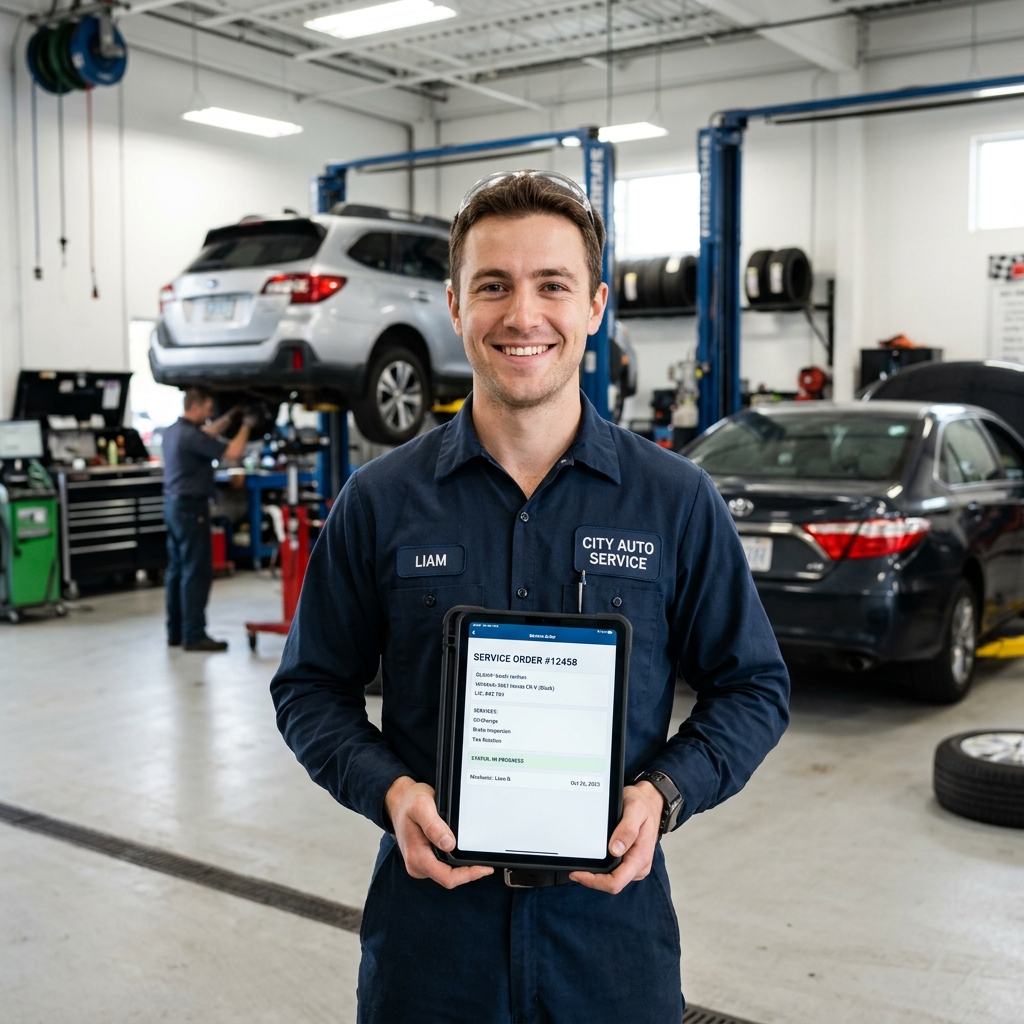
During service, document what was done, which parts were used, and which mechanic performed the work. A properly completed digital work order is your best defense. Include photos of the work performed, especially before and after. In a warranty dispute, a photo is worth a thousand words.
3. Post-Delivery Follow-Up
Do not wait for the customer to come back with a complaint. Follow up 2 and 30 days after delivery to ask if everything is okay. This serves three purposes: catch problems early (before they become a crisis), delight customers with attentive care, and document that you followed up.
Manage warranties professionally
Dono da Oficina records check-in photos, the intake checklist, detailed work in the digital service order, and automatic post-delivery follow-up.
Try It Free for 15 DaysWhen a Warranty Claim Is Made: A 4-Step Process
When a customer returns with an issue during the warranty period, follow this procedure:
- Respond with empathy (not defensively): “I understand your frustration. Let’s fix this.” Listening to the customer and documenting the review helps clarify the problem and find a solution
- Diagnose before accepting blame: Open the work order history, review check-in photos, and perform a new diagnosis. The problem may be different (e.g., the customer crashed the car and wants to make a warranty claim).
- Classify the cause: Was it an execution error? Defective Part? Customer misuse? Normal wear and tear? Each cause requires a different response
- Resolve it quickly: If you are responsible, own the issue and resolve it within 48 hours. A customer whose issue was resolved quickly is more loyal than one that has never had a problem
Conclusion
Warranty management is not a cost center; it is a investment in reputation. A workshop that handles warranties in an organized, professional way builds a loyal customer base that returns and refers others. A shop that documents every step of a service is protected against unfounded accusations that can erode its profits.
Put the three pillars in place this week: document vehicle intake, record work performed, and follow up after delivery. The cost is practically zero. The return, in peace of mind and protected margin, is immeasurable.